Rules of wearing a Baglamukhi amulet
Essential disciplines, auspicious timings, and respectful daily guidelines for wearing the sacred consecrated Maa Baglamukhi copper tabiz for divine protection and mental fortitude.
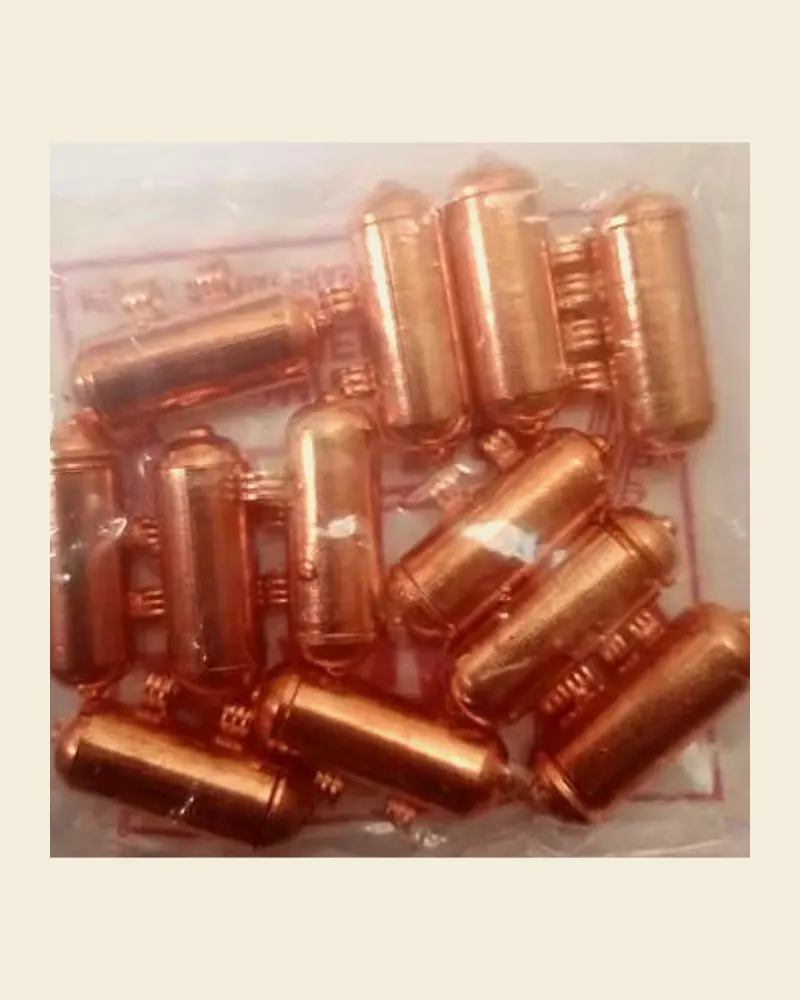
Maa Baglamukhi, the eighth Mahavidya in the sacred Shakta tradition, is revered as Pitambari—the golden-hued goddess of Stambhana (the divine power to paralyze hostility, neutralize deceit, and still the agitated mind). An authentic Maa Baglamukhi amulet, inscribed by hand on consecrated Bhojpatra and encased in pure copper, is not an ordinary ornamental talisman. It is a consecrated spiritual shield created to provide mental fortitude, spiritual resilience, and protection during severe life trials.
Wearing a consecrated Yantra demands personal self-discipline, mental cleanliness, and enduring respect for Vedic tradition. In the Vedic path, spiritual remedies do not replace right action (Purushartha); rather, they purify your aura so that truth and justice prevail without self-destructive conflict. The talisman serves as a physical touchstone for inner courage and unwavering moral focus.
1. The Auspicious Timing and Wearing Procedure (Vidhi)
The initial wearing of the Baglamukhi tabiz should be undertaken during an auspicious planetary window. Traditionally, Thursday morning during Shukla Paksha (the waxing moon) or during Guru Hora is considered most favorable, as Jupiter and yellow hues resonate deeply with Maa Baglamukhi.
Morning purification: Take a bath early in the morning and wear clean, preferably yellow or white clothing.
Altar preparation: Place the amulet on a clean yellow cloth in your home temple before an image or lamp of the Divine Mother.
Offerings: Offer yellow flowers, haldi (turmeric), and light an earthen lamp with pure sesame or mustard oil.
Mantra invocation: Recite the sacred Baglamukhi Gayatri or the foundational Mool Mantra with a focused, devoted mind.
2. Core Disciplines of Personal Purity (Niyam)
A consecrated amulet carries the vibrational resonance of the Mahapuja in which it was energized. Maintaining that sanctified state requires practical mindfulness and ethical grounding throughout your daily routine:
Truthfulness in speech: Since Maa Baglamukhi governs the power of the tongue (Vak Siddhi), avoid slander, false statements, deceitful promises, and malicious gossip.
Non-retaliation: The amulet is a protective shield, not an aggressive weapon. Never attempt to invoke the Divine Mother to harm innocent individuals or achieve unethical ambitions.
Dietary discipline: While wearing the amulet, it is spiritually beneficial to maintain a sattvic diet and avoid excessive intoxicants or impure foods.
3. When and How to Remove the Amulet
Certain circumstances represent ritual transition or physical impurity, during which it is respectful to temporarily remove the amulet from your body. These occasions include attending funeral grounds (shamshan), participating in mourning rites (sutak), and intimate marital encounters.
Discipline is not superstition; it is the conscious alignment of human reverence with divine energy.
When removing the amulet, do not place it casually on beds, dining tables, or leather surfaces. Wrap it gently in a clean yellow or red silk cloth and place it respectfully in your home altar. You may put it back on after taking a fresh bath the following morning with a brief mental prayer.
4. Care of the Copper Capsule
The pure copper tabiz serves as an energetic conductor and an impermeable seal protecting the inner Bhojpatra from perspiration and ambient humidity. Never attempt to pry open or submerge the copper capsule in harsh corrosive acids. If the copper oxidizes naturally over time, clean only the exterior with a gentle cloth and dry ash or pitambari powder. Handled with reverence, the amulet remains an enduring source of fearless resolve and spiritual clarity.
Products Mentioned in this Guide
1 Item
Knowledge Base
Frequently Asked Questions
About the Author
Sadhak Pawan Pandey
Spiritual guide, astrologer, and sadhak dedicated to authentic Vedic wisdom, Maa Kali upasana, and consecrated spiritual items.
Continue Reading